


Our Blog
Cómo determinar quién tuvo la culpa en un accidente de auto en Colorado
- March 10, 2026
- Car Accidents
Determinar quién tuvo la culpa en un accidente de auto en Colorado rara vez es sencillo. Hay múltiples factores que a menudo intervienen en el incidente. Aunque revisar la escena del accidente por tu cuenta podría darte una idea inicial de lo ocurrido, las compañías de seguros y los profesionales legales realizan investigaciones mucho más profundas antes de decidir quién es responsable. Colorado funciona bajo un sistema de responsabilid[ ... ]

How Long Do I Have To File a Car Accident Lawsuit in Colorado?
- March 1, 2026
- Car Accidents
In Colorado, you generally have three years from the date of the crash to file a car accident lawsuit, but this deadline can change depending on the details of your case. Missing this window, known as the statute of limitations, typically means losing the right to seek compensation forever. The time after a crash is often filled with medical appointmen[ ... ]
¿Cuánto tiempo tengo para presentar una demanda por accidente de auto en Colorado?
- February 27, 2026
- Car Accidents
En Colorado, generalmente tienes tres años a partir de la fecha del accidente para presentar una demanda por accidente de auto, pero este plazo puede cambiar dependiendo de los detalles de tu caso. Perder esta ventana, conocida como el estatuto de limitaciones, generalmente significa perder el derecho a buscar compensación para siempre. El tiempo después de un accidente a menudo está lleno de citas médicas y llamadas de seguros, lo que hace que sea fá[ ... ]

How To Tell Who Is At Fault In A Colorado Car Accident
- February 10, 2026
- Car Accidents
How to tell who is at fault in a Colorado car accident is rarely straightforward, as multiple factors often contribute to the incident. While reviewing the accident scene yourself might give you an initial idea, insurance companies and legal professionals conduct much deeper investigations to assign liability. Colorado operates under a fault-based insurance system, meaning the person who caused the accident is responsible for the[ ... ]
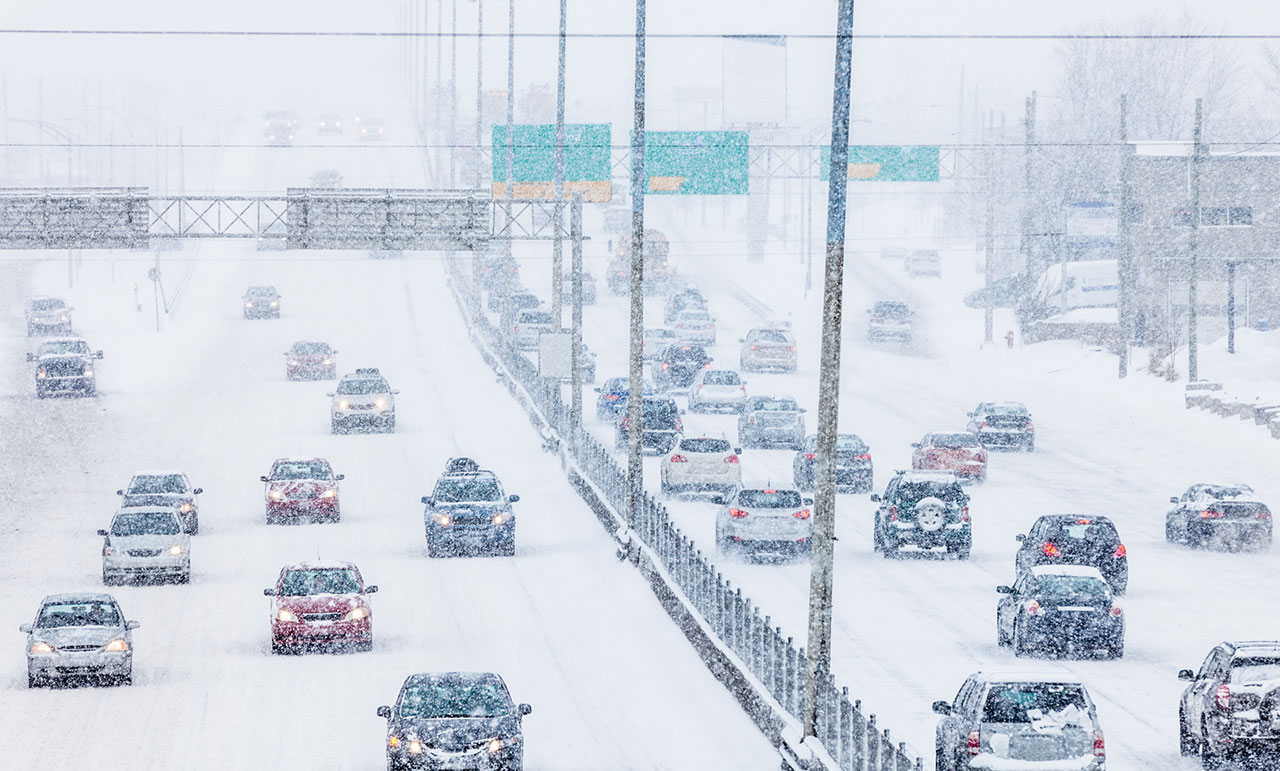
The I-70 Mountain Corridor Crunch: Accidents Caused by Tourist and Ski Traffic
- February 3, 2026
- Car Accidents
The I-70 Crunch is a familiar story: a mix of record-breaking traffic volume, steep mountain grades, and drivers completely unprepared for slick winter conditions. On a bad day, more than 55,000 vehicles clog this artery, each one representing a potential risk. When a tourist from out-of-town loses control and causes a crash, the central question becomes one of respo[ ... ]
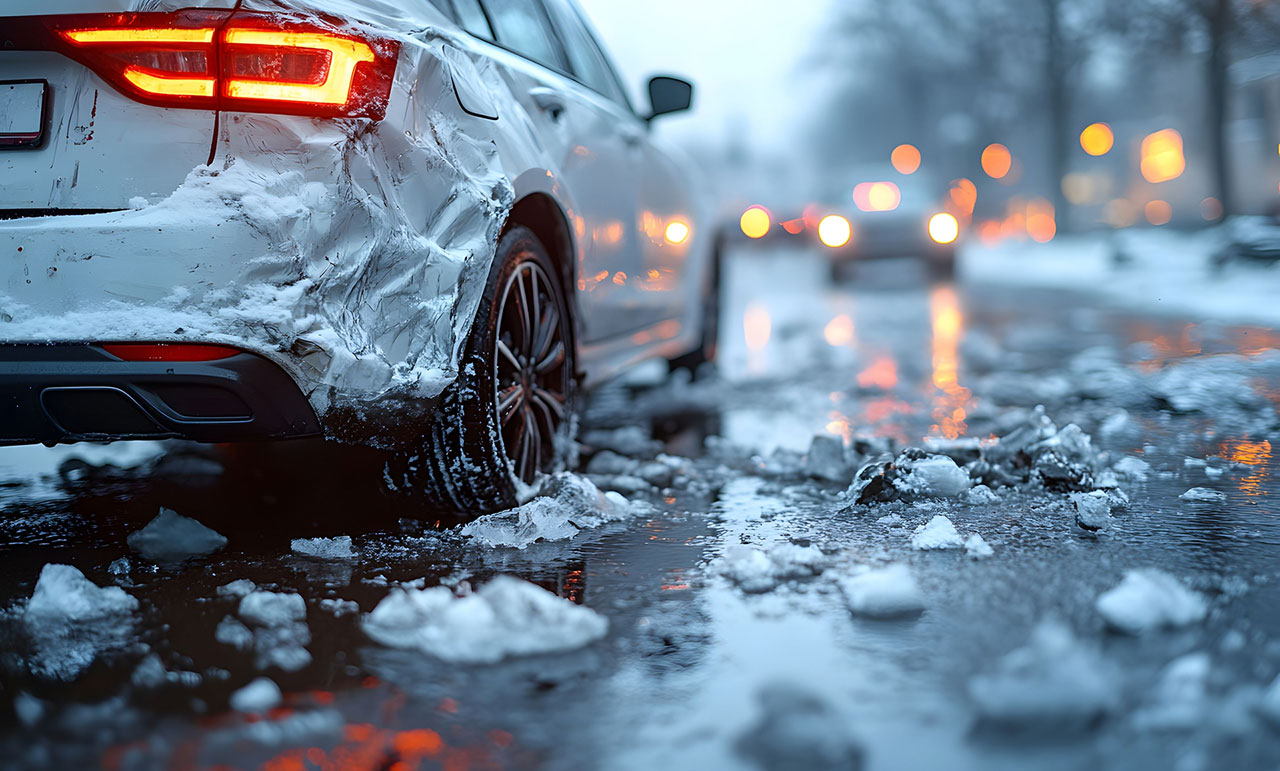
Black Ice and Snowy Pile-Ups: Proving Negligence in a Denver Winter Accident
- February 2, 2026
- Car Accidents
In Colorado, blaming black ice for a car accident is almost never a valid legal defense. Drivers have a legal duty of care to adjust their speed and following distance for the current road conditions, as outlined in[ ... ]
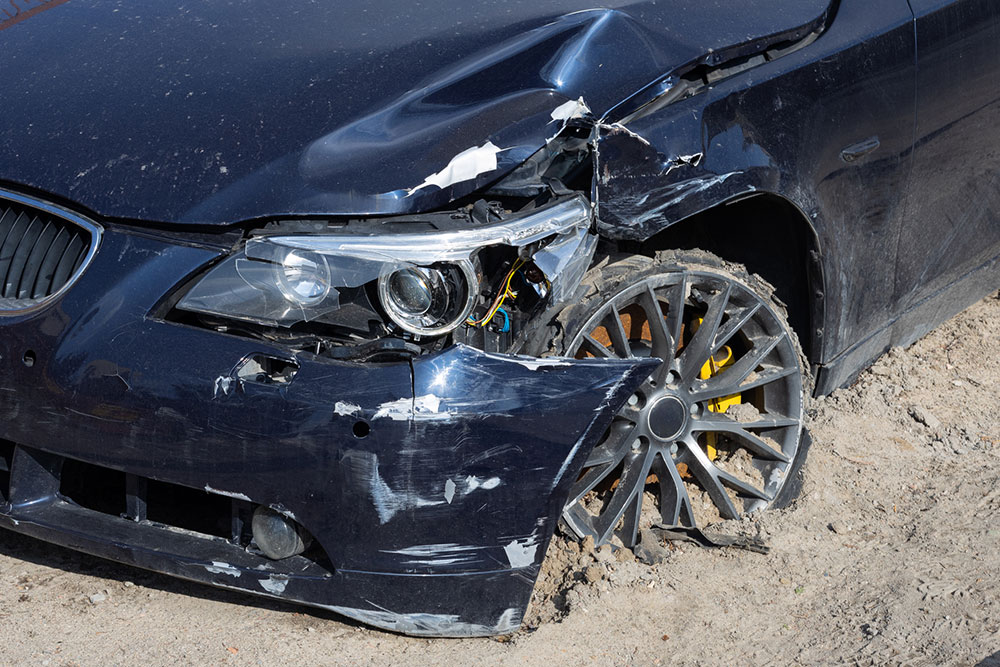
¿Tuve Parte de la Culpa? Cómo la Regla del 50% de Colorado Afecta su Reclamo en Denver
- December 2, 2025
- Vehicle Accident
Después de un accidente en Denver, muchas víctimas se preguntan lo mismo: “¿Tuve parte de la culpa?” Esta pregunta es importante, ya que Colorado utiliza un sistema llamado culpa comparativa modificada, también conocido como la regla del 50%. Esta ley determina cuánta compensación puede obtener una víctima —y si puede recibir dinero en absol[ ... ]
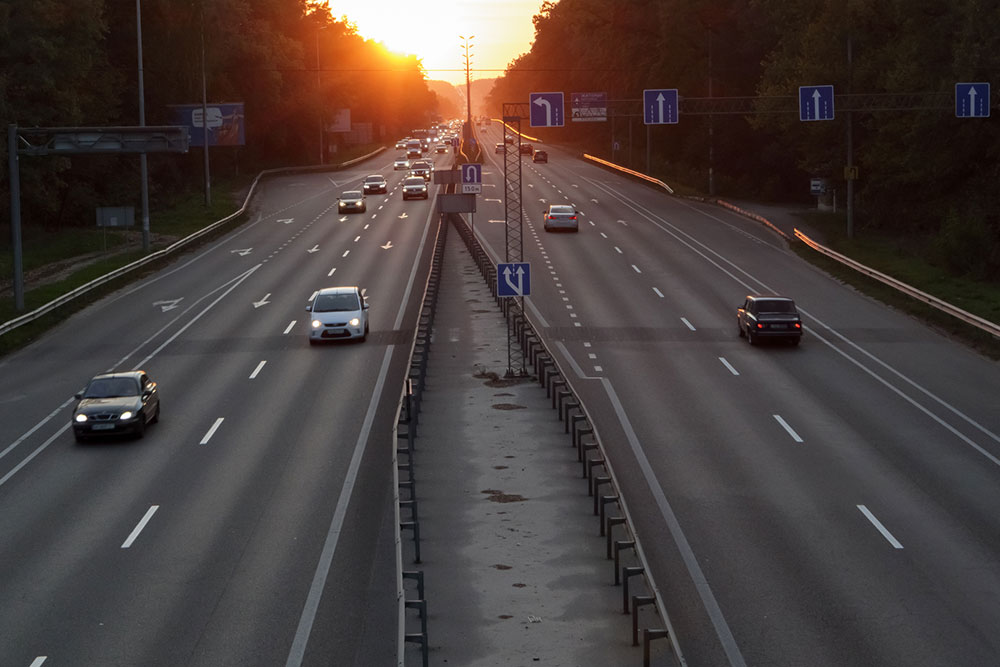
El Caos en la I-25 (“Valley Highway”): ¿Quién Tiene la Culpa en un Accidente al Cambiar de Carril en Denver?
- December 1, 2025
- Vehicle Accident
La I-25, también conocida como la “Valley Highway”, es una de las carreteras más congestionadas y peligrosas de Colorado. Desde la salida de Santa Fe hasta el cruce con la I-70, esta autopista atraviesa zonas con tráfico intenso, múltiples accesos, obras frecuentes, curvas cerradas y conductores que cambian de carril de manera repentina. Cada día, se reportan accidentes por cambios de carril mal ejecutados, conductores distraídos o personas que in[ ... ]

The I-25 “Valley Highway” Shuffle: Who’s at Fault in a Denver Merge Accident?
- November 20, 2025
- Vehicle Accident
In a Denver merge accident, the driver who fails to yield the right of way is typically at fault; however, determining this can be complicated by Colorado's comparative negligence laws. After an I-25 accident in Denver, determining who made an unsafe lane change versus who had the right-of-way often requires a detailed examination of the evidence. A Denver car accident lawyer can analyze the specifics of the crash, from the initial police r[ ... ]
Colorado’s 50% Bar Rule: Can You Still Get Paid if You Were Partially at Fault for a Denver Crash?
- November 19, 2025
- Vehicle Accident
Under Colorado's comparative negligence law, you may still be paid if you are partially at fault for a Denver crash, as long as your fault percentage is less than 50%. This rule, often called the "50 percent bar rule," directly impacts your ability to recover compensation after a shared fault accident in Denver. An insurance company may try to argue that you hold a larger percentage of fault than you actually do to reduce or deny your claim[ ... ]