

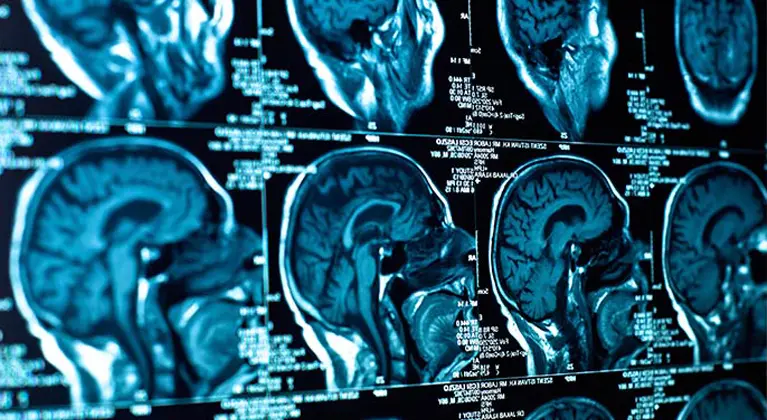
A brain injury can change far more than your physical health, and much of what changes is invisible from the outside. Someone may look fully recovered while the effects on work, relationships, and independence continue for years.
That is exactly what makes these claims hard to document. A file built around scans and an emergency room note rarely captures what the injury actually cost.
A Denver brain injury lawyer at Born & McCaffrey Injury Law can evaluate how those changes affect your legal claim and whether another party may be financially responsible for the harm you have experienced. We work directly with our clients to build cases that reflect the complete impact of a traumatic brain injury, not just the emergency room diagnosis. From reviewing medical records and consulting with treating providers to documenting how the injury affects everyday life, we focus on presenting evidence that tells the whole story.
Call (303) 800-6996 for a free case review and learn how we can help you move forward.
Why Work With Born & McCaffrey Injury Law

At Born & McCaffrey Injury Law, you work directly with us instead of being passed between case managers and unfamiliar staff. Michael Born has spent his entire legal career representing injured people, in jurisdictions across Colorado and beyond, and Peter McCaffrey brings a trial-focused approach to serious injury cases.
That trial posture matters in a brain injury case, because carriers price a claim partly on whether the file looks ready for a courtroom.
Call (303) 800-6996 for a free case review.
Why Are Brain Injury Claims Harder to Prove Than Other Injuries?
Brain injury claims turn on evidence that does not show up on a scan. The classification a hospital assigns at intake describes the first few hours, not the years that follow. That gap between the label and the lived reality is where most brain injury disputes happen.
The medical picture belongs to the treating physicians, and their records and opinions carry it. Our work is documenting how the injury changed what you can do day to day, and connecting that to the damages Colorado law allows you to recover.
The Intake Label Is Not the Outcome
An injury recorded as minor at the emergency room can still affect work, school, and family life long afterward. Insurers lean on that initial classification because it is the simplest number in the file. A claim built only on the intake record concedes the argument before it starts.
What the Evidence Has to Show
The record has to connect the injury to specific, documented changes in daily functioning. That means building it deliberately from the start rather than assembling it later:
- Evaluations and testing ordered by treating providers
- Therapy and follow-up records showing the course over time
- Opinions from the treating physicians
- Employment records documenting changes in work performance
- Statements from family describing changes they have observed
- A daily log kept by the injured person
What Colorado Lets You Recover
Economic losses, meaning medical costs, future care, and lost earning capacity, carry no statutory cap in Colorado. Noneconomic loss, meaning the personal cost of the injury, is capped under C.R.S. 13-21-102.5, with the cap adjusted for inflation on a set schedule. That split is why the economic side of a brain injury claim needs the heaviest documentation.
If you have questions about how a brain injury may affect a legal claim, a Denver brain injury lawyer can review your circumstances. Call (303) 800-6996 for a free case review.
Common Causes of Brain Injuries in Denver
Brain injuries can result from several kinds of accidents, and the circumstances of the incident often determine both how serious the claim is and who may be responsible. In Denver, motor vehicle collisions, falls, bicycle and e-scooter crashes, and recreational accidents are among the leading events associated with traumatic brain injuries.
Motor Vehicle Collisions
Traffic collisions are among the leading causes of traumatic brain injuries in the Denver area. Collisions on heavily traveled corridors such as Interstate 25, Interstate 70, Colorado Boulevard, and Speer Boulevard produce brain injury claims even when occupants are wearing seat belts. Colorado allows three years to file these claims under C.R.S. 13-80-101, a year longer than most other injury cases.
Bicycle and E-Scooter Collisions
A collision between a bicycle or scooter and a motor vehicle produces serious injury claims even at relatively low speeds. Denver’s expanding network of bike lanes, shared-use paths, and e-scooter programs has created more transportation options throughout the city.
A rider wearing a helmet can still have a serious claim, and insurers sometimes raise helmet use as though it settles the question of fault. It does not.
Slip and Fall Accidents
Falls are a common source of brain injury claims across all age groups. During Denver’s winter months, snow and ice can create hazardous walking conditions outside businesses, apartment complexes, parking lots, and office buildings. These claims run on Colorado’s two-year deadline and turn on who controlled the property and what they knew about the hazard.
Sports and Outdoor Recreation
Colorado’s outdoor lifestyle contributes to another category of brain injury cases, and it is the category with the most legal complications. Under C.R.S. 33-44-112, a skier cannot recover from a ski area operator for injuries resulting from the inherent dangers and risks of skiing, and claims against a ski area operator carry a two-year deadline under C.R.S. 33-44-111 rather than the longer period that applies elsewhere.
That does not close the door on every case. Claims involving negligent instruction, a hazard outside the statute’s protected category, or a party other than the ski area operator may still be viable, which is why these cases need review early rather than after the deadline has passed.
Workplace and Commercial Property Incidents
Brain injuries also happen on commercial property, including retail stores, restaurants, parking structures, and office buildings. Falling objects, unsafe walking surfaces, and falls from elevated areas can all support a premises claim under C.R.S. 13-21-115, which is the exclusive route against a landowner in Colorado. What the owner owed you depends on why you were there, so identifying who controlled the property is the first question we answer.
If you believe another person’s negligence contributed to your injury, schedule a free case review of the circumstances and we will walk through the options available. Call (303) 800-6996 to speak with one of our brain injury lawyers in Denver.
Brain Injuries Often Occur Alongside Other Serious Injuries
A brain injury is often one part of a larger claim. Someone hurt badly enough to sustain one frequently has other serious injuries from the same event, and the claim has to account for all of them.
In many catastrophic injury cases, a brain injury and a spinal injury appear in the same claim because they came from the same event. When more than one serious injury is present, each has to be evaluated as part of the overall claim rather than in isolation.
Valuing them separately and then adding them up understates the claim. The combined effect on independence and earning capacity is usually larger than the sum of the parts.
The full cost of a brain injury is rarely apparent in the first weeks after an accident. A thorough evaluation looks past the present situation to how the injury may affect future employment, relationships, independence, and quality of life.
How Do Insurance Companies Evaluate a Brain Injury Claim?
Insurance companies may question the seriousness of a brain injury because the objective testing does not always line up with what a person is actually experiencing. At Born & McCaffrey Injury Law, we build the claim on the wider record rather than on a single test result. Our role is to present the medical evidence, the independent evaluations, and the day-to-day effects of the injury in a way that accurately reflects what our clients are experiencing.
Here is how we approach the insurers:
We Build Claims on More Than One Test Result
A brain injury claim cannot rest on a single result. What the injury actually cost shows up in work performance, in daily functioning, and in what the people around you notice, and none of that lives in one document.
Our attorneys work with clients to develop a complete record of the injury by gathering evidence such as:
- Neurological evaluations
- Neuropsychological testing
- Cognitive rehabilitation records
- Opinions from treating physicians and providers
- Employment records documenting changes in work performance
- Statements from family members describing changes in memory, personality, or daily functioning
This evidence helps prove how the injury affects everyday life rather than relying solely on imaging results.
We Address Questions About How the Injury Progressed
Recovery is not the same for every person, and a file that does not show the course over time invites questions during the claims process.
We help clients organize medical records, treatment history, and other supporting documentation so the claim reflects the full arc rather than a snapshot. Consistent documentation from treating providers can provide valuable context when the effects continue long after the accident.
We Prepare Cases for Both Negotiation and Trial
Insurance companies evaluate the strength of the evidence supporting a claim. Our attorneys prepare brain injury cases with that process in mind by thoroughly reviewing medical records, consulting with appropriate professionals when needed, and documenting both the immediate and long-term effects of the injury.
When a fair resolution cannot be reached through negotiation, we are prepared to continue advocating for our clients through litigation. Michael Born has spent his entire legal career representing injured people, in jurisdictions across Colorado and beyond, and Peter McCaffrey brings a trial-focused approach to serious injury cases where the medical evidence requires careful presentation.
If you are facing challenges with an insurance company after a traumatic brain injury, contact us immediately to speak directly with an attorney.
What Should I Do If I Suspect a Brain Injury After an Accident?
Seek medical attention as soon as possible, even if you feel well immediately after the accident. Early evaluation supports your health, and it creates the documentation a claim later depends on.
- Get a doctor’s examination even if you feel fine immediately after the accident, since the full picture often takes days to emerge.
- Attend appointments and follow medical recommendations to create a record of how the injury continues to affect your daily life.
- Keep a simple daily log in the weeks following the accident. That record often becomes one of the most persuasive pieces of evidence in the entire claim.
- Be careful when speaking with insurance companies. Before the full extent of a brain injury is known, it can be difficult to accurately describe your condition.
- Speak with a brain injury lawyer early to allow important evidence to be identified and preserved while witnesses’ memories are fresh.
If you suspect you suffered a brain injury after an accident, Born & McCaffrey Injury Law stands ready to review your injury and explain your legal options. Contact us immediately for a free case review.
FAQs: Denver Brain Injury Lawyer
Here are answers to several questions we commonly hear from individuals and families in the Denver area.
How is a brain injury claim valued differently than a broken bone or other physical-only injury?
Brain injury claims often account for cognitive and behavioral impact on daily life and relationships, not just medical bills and physical recovery time. That can include lost earning capacity if concentration or memory problems affect job performance, along with the cost of ongoing cognitive therapy or accommodations.
Do I need neuropsychological testing to build my injury claim?
Often, yes. Standardized testing ordered by your treating providers turns effects you describe into documented findings, and that is frequently the strongest evidence in a disputed claim. Whether you need it is a medical decision, but its value to the claim is a legal one, which is why it is worth raising early.
Can a brain injury claim include the strain it puts on my family?
Colorado law allows recovery for noneconomic losses, meaning the personal cost of an injury rather than the bills, tied to how it affects your life. A documented change in behavior, mood, or relationships can be part of that picture when supported by consistent medical and personal testimony. This is an area where keeping a detailed symptom log and gathering input from those who are close to you can be truly impactful.
How long do I have to file a brain injury claim in Colorado?
It depends on how the injury happened. A crash claim gets three years under C.R.S. 13-80-101, while most other injury claims get two, and a claim against a ski area operator gets two under C.R.S. 33-44-111. Confirm which one applies to you rather than assuming.
What if I was partly at fault for the accident?
Colorado uses modified comparative fault under C.R.S. 13-21-111. Your recovery is reduced by your share of the fault, and it is barred only if your share is as great as the other party’s. Being partly responsible does not end a claim.
Reach Out to Born & McCaffrey Today

A brain injury does not need to be visible to be taken seriously. At Born & McCaffrey Injury Law, we document what the scans do not show and build the claim around what the injury actually changed. You will work directly with us throughout.
Call us at (303) 800-6996 for a free case review.
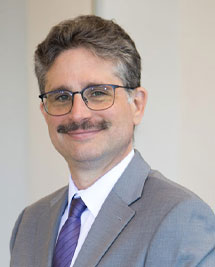
ATTORNEY MICHAEL BORN
Michael has represented well over a thousand injury victims in his career. He has litigated 500 court cases. He has tried cases in counties all over Colorado. He has briefed and argued appeals in the appellate courts. This experience ultimately led to him leaving the big firm life to form Born & McCaffrey in order to provide a more client centered and personal representation than a large law firm is able to provide. [ ATTORNEY BIO ]

Born and Mccaffrey did a spectacular job handling my case. I was completely unequipped to handle anything of this sort on my own and Michael did an amazing job at communicating to me what exactly was happening during each step of the process while making sure I was well prepared. I feel so much better having this all behind me and can’t thank the firm enough for their countless hours of work and negotiation on my behalf. — A. Hernandez

I recently had the opportunity to work with my attorney on a car accident case, and I am incredibly impressed with the outcome. Overall, I would highly recommend my attorney Peter to anyone in need of legal assistance for a car accident. Their professionalism, dedication, and knowledge made a challenging situation much more manageable, and I am grateful for their hard work and commitment to my case. — V. Cano
Mr. Born has been great with my case from the first phone call! Very knowledgeable and prompt when returning calls with answers to my questions. I never felt like I was just another case; he provided individualized care and gave me the information I needed to know the next steps to assure the best result for my injuries! — J. Cruz
I had an accident about almost a year ago and the fault insurance didn’t want to pay the entire bill. It’s been amazing working with them I really didn’t have to worry about a thing. Got everything settled and didn’t have to pay anything out of my pocket. Thank you very much to these gentleman!! — A. Gomez

Después de un accidente, conocer sus derechos como peatón o conductor de scooter puede marcar una gran diferencia. Sin embargo, las compañías de seguros a menudo intentan evitar asumir responsabilidades, incluso cuando los hechos parecen claros. Mientras usted se recupera de una colisión en zonas concurridas como la avenida Colfax o el bulevar Speer, es común que las facturas médicas comiencen a acumularse. Al mismo tiempo, las reglas locales sob[...]