

The I-70 Mountain Corridor Crunch: Accidents Caused by Tourist and Ski Traffic
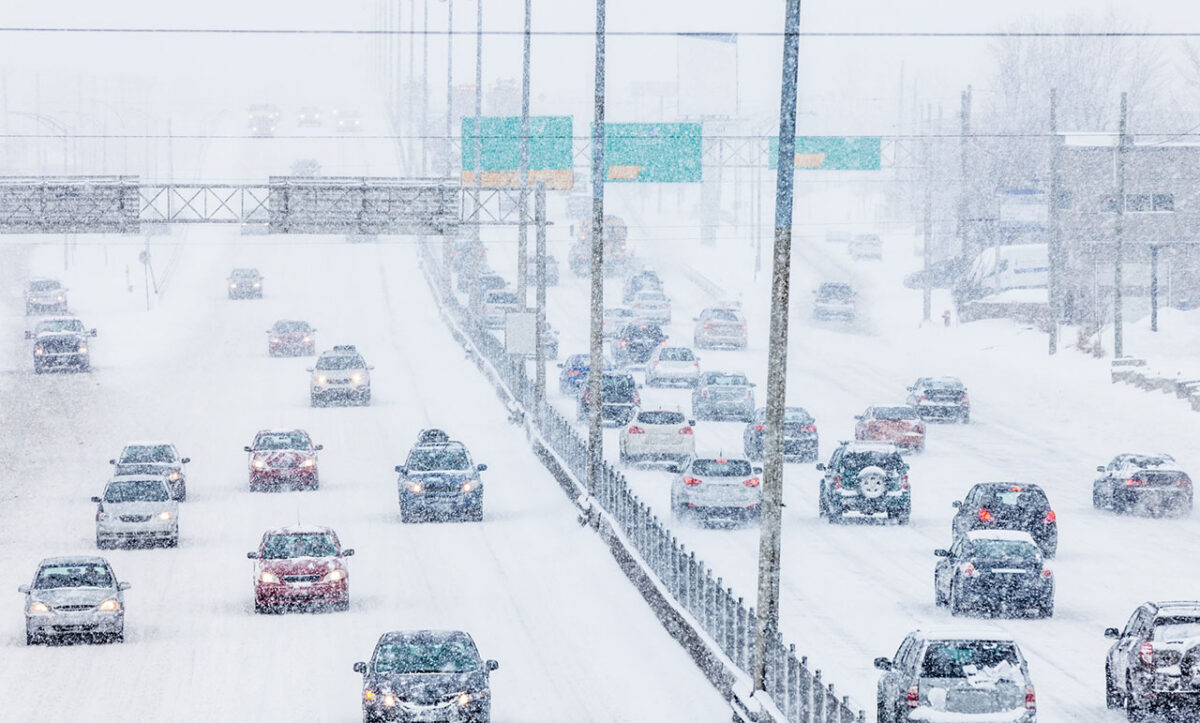
The I-70 Crunch is a familiar story: a mix of record-breaking traffic volume, steep mountain grades, and drivers completely unprepared for slick winter conditions. On a bad day, more than 55,000 vehicles clog this artery, each one representing a potential risk. When a tourist from out-of-town loses control and causes a crash, the central question becomes one of responsibility.
Liability in these accidents almost always comes down to the “reasonable and prudent” standard required by Colorado law. The fact that the road was icy or covered in snow is not a free pass. A driver is financially responsible for the harm they cause if they failed to adapt their speed and control to the conditions in front of them.
Unfortunately, insurance companies frequently try to deny claims from mountain crashes. They typically point to sudden emergencies or blame black ice as an unavoidable hazard, attempting to shift blame away from their insured driver. This is a common tactic used to minimize their payout, leaving you to handle the fallout.
At Born & McCaffrey Injury Law, we counter these arguments by using the specifics of Colorado’s traffic statutes to dismantle these defenses. Our goal is to secure the compensation you need for your medical bills, lost wages, and recovery.
If you have questions about a crash on I-70 involving a tourist, a rental car, or a commercial ski shuttle, call us today for a free consultation.
Key Takeaways for I-70 Mountain Corridor Accidents
- Driver negligence is usually the root cause, not the weather. Colorado law requires drivers to adjust their speed and control for conditions like snow and ice, making them liable for crashes they cause.
- Violating specific traffic laws strengthens your claim. If the at-fault driver ignored the Traction Law or Move Over Law, it serves as direct evidence of their negligence.
- Out-of-state drivers and rental cars do not complicate your right to compensation. The accident is governed by Colorado law, and we handle the process of pursuing the driver’s personal insurance and any supplemental rental policies.
High-Risk Zones and The Reasonable Standard
Not all miles of I-70 are created equal. Colorado State Patrol data identifies specific zones where tourist inexperience and unforgiving mountain geography collide with disastrous results.
The data points to two major problem areas. A stunning 52% of all crashes on Vail Pass (Mile Point 182–193) are speed-related. Similarly, 41% of crashes at the Eisenhower/Johnson Tunnel (Mile Point 207–216) are also tied to excessive speed. The reason is straightforward: drivers, especially those unfamiliar with mountain driving, badly underestimate the force of gravity on steep downgrades. They either fail to downshift, ride their brakes until they overheat and fail, or simply drive too fast for the curves and conditions.
This is where the law sends a clear message. Colo. Rev. Stat. § 42-4-1101 states that no person shall drive “at a speed greater than is reasonable and prudent under the conditions then existing.” In other words, the posted 65 mph speed limit is irrelevant in a snowstorm. A driver’s legal duty of care is to slow down to a speed that is safe for the actual road conditions.
We investigate these cases by analyzing whether the at-fault driver was traveling too fast for that specific grade and weather, establishing their negligence even if they were technically under the speed limit.
Rental Cars and Out-of-State Defendants
Imagine this scenario: you’re hit by a driver visiting from Florida or Texas who is behind the wheel of a rental SUV they are not used to driving. Whose insurance pays? Does the rental car company have liability? Does the out-of-state driver even have enough insurance to cover your injuries?
The location of the crash is what matters most. A lawsuit for an accident that happens on I-70 is generally filed right here in Colorado courts. This forces the out-of-state driver and their insurance company to answer for the collision under Colorado law.
The insurance puzzle itself involves multiple layers. Under a concept known as Permissive Use, the at-fault driver’s personal auto policy from their home state is typically the primary source of coverage. The rental car company may provide supplemental liability insurance, but accessing it is complicated. We handle the process of identifying all available insurance policies to ensure you pursue the maximum compensation available.
Furthermore, a tourist’s ignorance of local laws is not a valid defense. If a driver failed to comply with Colorado’s 4WD or snow tire requirements, their lack of knowledge doesn’t absolve them of responsibility. This failure serves as direct evidence of their negligence.
Commercial Traffic: Ski Shuttles and Semis
Crashes involving large resort shuttles or commercial semi-trucks operate under a different set of rules and carry much higher stakes. These entities are governed by state and federal regulations that demand a higher level of safety and responsibility.
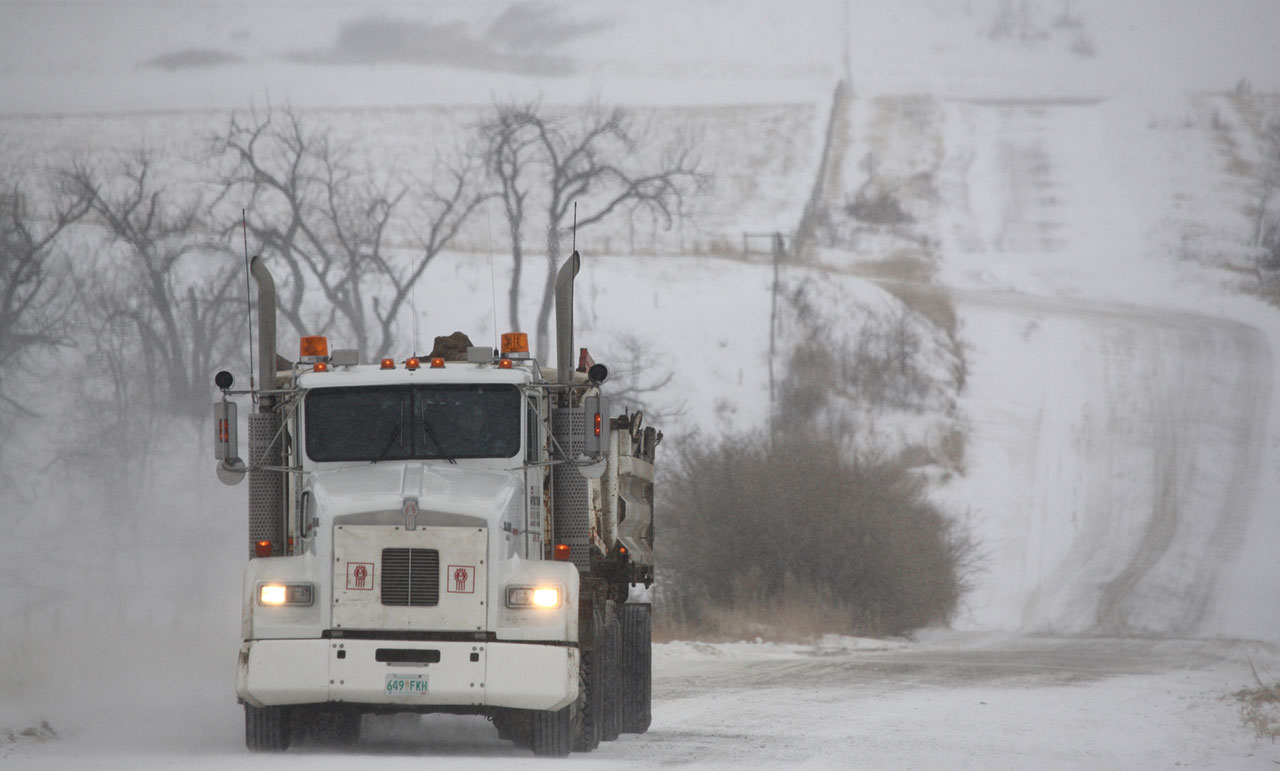
For instance, truckers are subject to strict commercial chain laws. Many still gamble to save time, and a failure to chain up on a steep grade might cause them to lose control, blocking all lanes of traffic and causing catastrophic collisions. Ski shuttles, meanwhile, fall under the Common Carrier Doctrine, which means they may owe a higher duty of care to protect their passengers than a standard driver owes to their guests.
If you were injured as a passenger in a resort shuttle or were hit by a commercial truck, the investigation goes beyond just the driver’s actions. Our practice focuses on digging into potential corporate negligence, such as hiring inexperienced drivers, failing to provide proper training for mountain conditions, or neglecting to maintain brakes and tires for I-70’s demanding grades.
FAQ for I-70 Mountain Corridor Accidents
Can the other driver avoid liability by claiming black ice caused the crash?
Generally, no. Colorado law expects drivers to anticipate and adapt to winter conditions like ice. Losing control on a patch of ice serves as evidence that the driver was going too fast for the conditions, which is a form of negligence.
What if I was a passenger in a ski shuttle that crashed?
You may have a claim against the shuttle company itself. As common carriers, these companies must adhere to strict safety and maintenance regulations. We investigate whether they violated any of these standards in the operation of their vehicle.
How does a Chain Law violation help my case?
If the at-fault driver caused a crash while driving without proper tires or chains when the Traction Law was in effect, it provides strong evidence that they failed to exercise reasonable care. This violation strengthens your claim for damages.
Can I recover lost wages if I missed work due to the accident?
Yes. Compensation for economic damages includes lost income and diminished earning capacity. You can also pursue non-economic damages for things like pain, suffering, and impairment.
Don’t Let a Vacationer’s Negligence Cost You Your Future
Insurance adjusters are quick to blame mountain weather for these accidents because it’s an easy way to avoid paying a fair claim.
We know better.
Safe, prudent driving prevents accidents, even in heavy snow. Our firm holds negligent drivers accountable, whether they are locals who should know better or tourists who failed to prepare.
We are ready to review the police report, the weather data, and all involved insurance policies to give you a clear understanding of your legal options. Call Born & McCaffrey Injury Law today to start the conversation.